
Even if you do not have a problem with alcohol before a traumatic event, if you have PTSD you are at increased risk for developing a drinking or drug problem. Treating just one condition won’t be enough, as the other condition can keep causing problems. Veterans with a dual diagnosis need specialized care that addresses both their mental health and substance use.
This connection is recognized by the VA, and establishing it is key to securing the appropriate disability rating. To successfully get service-connected for PTSD with AUD, it’s crucial to demonstrate that your alcohol use is directly related to your PTSD. However, this often leads to a cycle where alcohol use exacerbates PTSD symptoms, making them harder to manage and treat effectively. When PTSD and AUD are present together, the veteran’s overall health and quality of life can deteriorate rapidly. It can severely impact various aspects of life, including mental well-being, relationships, and the ability to work.
What Should I Do if My Wife Can’t Stop Drinking? …
A 2023 study suggests post-traumatic disorders are among the most common co-occurring diagnoses in people with substance use what is Oxford House disorder (SUD). Eventually, the overuse of drugs or alcohol can develop into substance use disorder (SUD). Treatment should be given for both PTSD and SUD to lead to successful recovery.
Veteran programs and services
In a large sample of over 19,000 participants, prevalence rates of AUD, PTSD, as well as comorbid AUD/PTSD were found to be significantly higher in AIAN participants as compared to NHW participants. The highest prevalence rates of lifetime PTSD were observed in AIAN women, and the highest rates of comorbid AUD/PTSD were observed in AIAN men. Both the Werner and Emerson papers suggest the need to develop more tailored and comprehensive assessment methods, and develop more effective interventions to help reduce the heavy burden of trauma, PTSD and AUD in racial and ethnic minority communities. Many veterans uptake smoking during their time in the military and continue their use after their service to cope with PTSD symptoms. Close to 30% of veterans report using tobacco products, such as cigarettes and chewing tobacco. Data shows that nearly 6 of 10 veterans with PTSD smoke, which is almost double those who do not have a PTSD diagnosis.
Alcoholism and Liver Cirrhosis
A recent study looked at a population with PTSD and compared those with past combat experience and those without. Those with combat in their pasts were more likely to use alcohol to cope with PTSD symptoms. This finding could lead to more intensive substance use screening for patients with combat trauma. If your alcohol or drug use was caused or aggravated by another service-connected condition—such as PTSD, major depression, or chronic pain—you may be able to get VA disability compensation for the resulting medical conditions on a secondary basis. It is important for the VA to recognize that alcohol and substance abuse are NOT moral problems in those with mental illness, but are as much a part of the disease process as any other symptom. It is even more important for veterans with substance abuse problems to receive the treatment and care that they need and deserve.

The combination of veteran PTSD and substance abuse can make it harder for veterans to get the help they need. They might not look for treatment in an opiate rehab center because they are afraid of being judged or because they don’t want to face their trauma. Drinking may provide momentary relief, ptsd and alcohol abuse but ultimately it makes the situation worse. If you’re a veteran with a service-connected mental health condition, and your substance use began as a result, that’s highly relevant evidence.
Recognizing that young veterans are often unlikely to seek care at traditional VAMCs, researchers have begun to develop alternative, novel methods of treatment engagement and delivery. For example, Pedersen et al developed a web-based, single-session intervention to reduce alcohol use among young veterans.43 In just 2 weeks, using Facebook as a recruitment site, they recruited a sample of 784 veterans. The intervention uses personalized normative feedback (PNF) and was found to reduce number of drinks per week as well as binge drinking 1 month later. The advantages of an intervention like this one include the fact that it requires no clinician time or patient travel to a VAMC.
- In a cue-reactivity experiment among dually diagnosed individuals, severity of PTSD predicted increased craving during exposure to personalized trauma-related and substance cues (Saladin et al., 2003).
- Continued use of alcohol to mask or numb symptoms of PTSD interferes with the recovery process from traumatic events, and this can even lead to secondary mental health issues like depression and anxiety disorders.
- So, to help manage this, doctors usually lower the dose gradually, giving the body time to adjust safely.
- The veteran attended group therapy sessions offered to veterans newly diagnosed with PTSD, with topics such as Understanding PTSD, Anger Management, and Stress Reduction.
Alcohol Use Only Makes PTSD Symptoms Worse.
Fortunately, the VA Uniform Mental Health Services Handbook requires that all VA medical centers provide access to either prolonged exposure and cognitive processing therapy for Veterans with PTSD. It also states that Veterans cannot be denied access to mental health residential treatment programs based on length of abstinence and that opioid replacement therapies such as methadone and buprenorphine also be made available. Your treatment team will be comprised of credentialed and experienced individuals from many backgrounds. All Valor program staff are trained in military culture sensitivity and trauma. This allows us to provide specialized treatment for PTSD, substance abuse, and other mental health issues commonly experienced by veterans.
- Veterans who have qualifying dependents, such as a spouse or child, may also be eligible for additional compensation each month.
- Their diverse expertise ensures our resources and product are innovative, evidence-based, and effective.
- Large percentages of Veterans who fought in Vietnam, the Gulf War, and Iraq and Afghanistan have had PTSD sometime in their lives.
Most of these veterans have a healthy relationship with alcohol, but some of them do not. And, as a result of their service, their alcohol abuse can be particularly dangerous and destructive. In order to protect the rights and freedoms of all Americans, veterans go to some of the harshest places and worst conflicts on earth. They come home to a hero’s welcome, but that does not mean the scars and stresses of their service disappear.

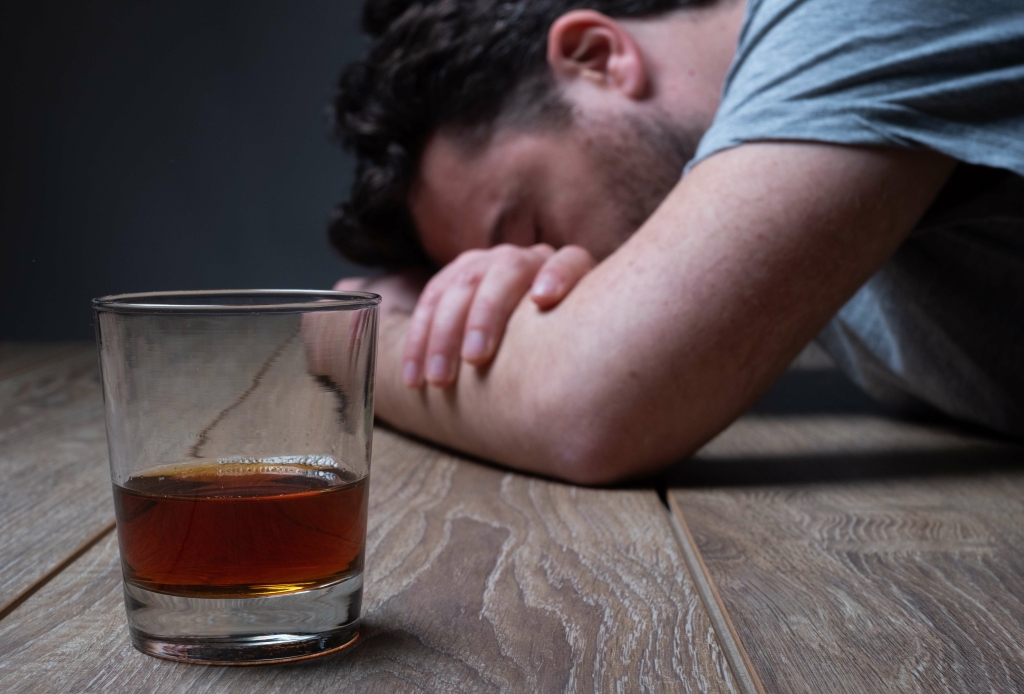
The veteran described in our case study experienced combat-related trauma while deployed in Vietnam, including mortar attacks, witnessing the deaths of fellow soldiers, and firefights with the enemy. The veteran endured severe PTSD symptoms throughout the 40 years since returning from Vietnam, and his primary coping strategy was alcohol use. He described a feeling of “invincibility” after surviving Vietnam, and he frequently engaged in risk-taking or adrenalin-seeking activities (such as dirt bike riding). This case study highlighted the long-lasting, chronic effects of combat-related trauma on multiple aspects of one’s life, including social, occupational, and psychological functioning.